|
|
 |
|
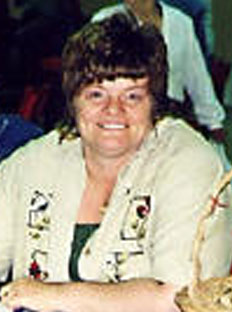
Daniel B. Mowrey, Ph.D. earned his
advanced degree in experimental psychology from Brigham Young University. His
specialized area was psychopharmacology, with related studies in biochemistry,
neurology, anatomy and physiology. His interest in medicinal botany began while
in graduate school and his dissertation reflected that interest. Over the next
several years his research in this area lead to the publications of several
books, among which are: Herbal Tonic Therapies, The Scientific Validation of
Herbal Medicine, Guaranteed Potency Herbs: Next Generation Herbal Medicine,
and Fat Management: The Thermogenic Factor |
|
 |
For
some time now, Anthony has been after me to update the list of herbs I
believe possess tonic activity. I agreed to this task before I
realized that although I had encountered many herbs over the years
that could be added to the list, I had never made a systematic attempt
to do that. Oh boy. . .
But since I agreed to do the job, I have dedicated myself to compiling
a list of the names of all tonic plants of my acquaintance, past and
present, if that makes any sense. Before presenting the list, let me
update the tonic story just a bit. As many of you know, when I became
interested in tonics, I was completely unaware of the tonic that
Anthony's father had put together several decades previously. Had I
known of it, I would have perhaps saved considerable effort in
searching out tonics at the time. Nevertheless, I did put together a
list of 60 or 70 that I was certain possessed the ability to balance
body systems, express bidirectionality, and could be used safely and
effectively by almost everyone. Almost immediately after publication
of the book I began to receive letters from colleagues and (gulp)
critics politely or not so politely informing me that I had left out
other important tonic herbs. Careful inspection of the available
historical and/or scientific literature convinced me that some of
these candidate tonics did, in fact, meet the criteria.

I
have been especially impressed with the number of tonic herbs coming
to light from the Far East, from countries like China, Korea, Japan,
Tibet and India. But even in the United States and some European
countries, there were other tonic herbs that I had overlooked, some of
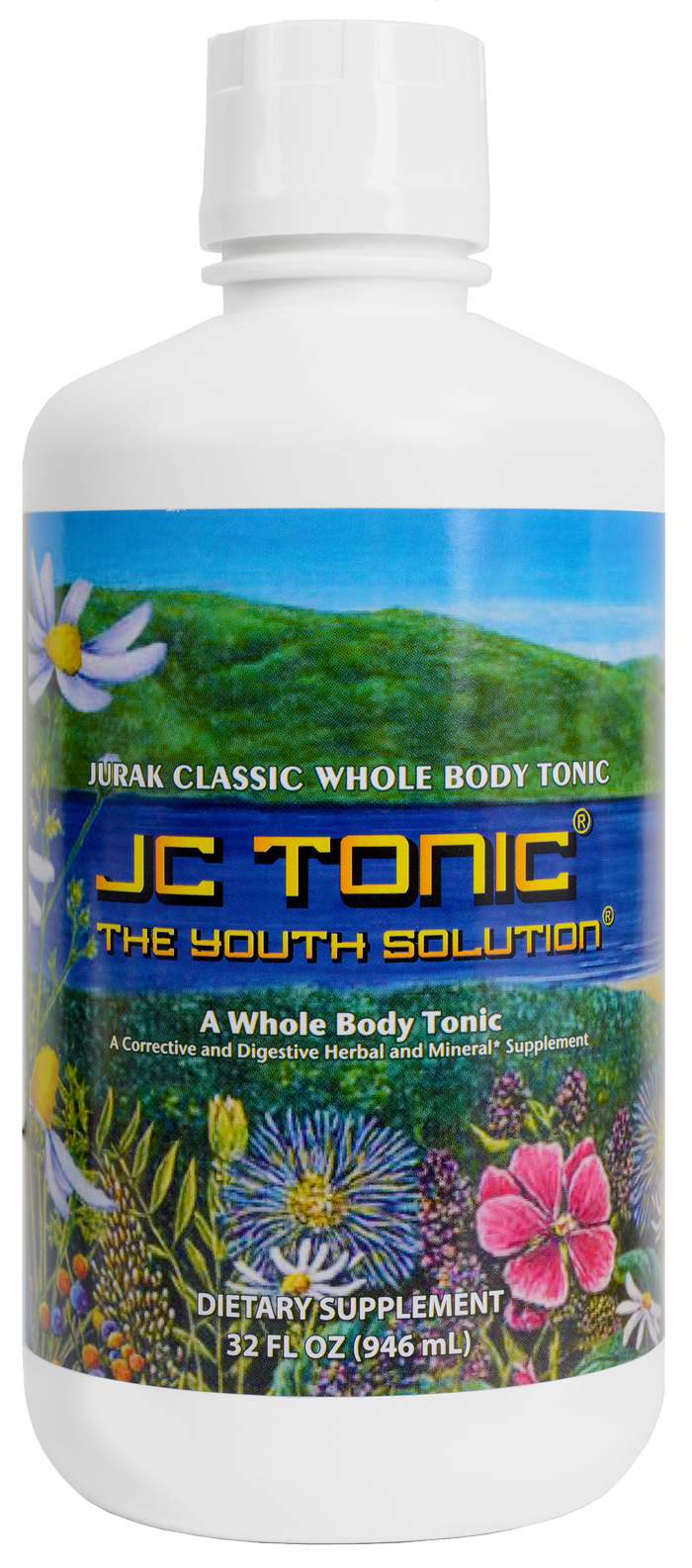
which actually can be found in the Jurak Classic Whole Body Tonic. I
do not believe I have yet located all tonic herbs. South America is
still a vast untapped region about which we know very little,
especially in regards to herbal materials with tonic activity. The
same can be said for Australia, many parts of Africa and Asia. So,
even though my list has expanded considerably, it is still far from
complete.
Here, then, is a list of herbs that have all demonstrated tonic
properties. Are they all of equal importance? Probably not. Some I
would call major tonics, others minor tonics. I have grouped them
somewhat haphazardly by geographical origin (admitting that, there is
considerable overlap - licorice, for example hails from both the West
and the East) -- but, I will not entertain correspondence from anyone
who thinks my categories are wrong, inappropriate, biased or deficient
in any way!
However, if Mowrey's law is in operation, someone will no doubt
discover a glaring omission from the list (and no, garlic is not a
tonic herb). |